Loading...
Serving Chico, CA and surrounding areas. (530) 399-1739
Chico Concrete & Masonry serves Willows, CA with tuckpointing, foundation repair, and concrete flatwork built for Glenn County conditions - clay soils that move every season, summers that push past 100 degrees, and a housing stock where most homes predate 1970. We reply within one business day and put the estimate in writing before any work begins.
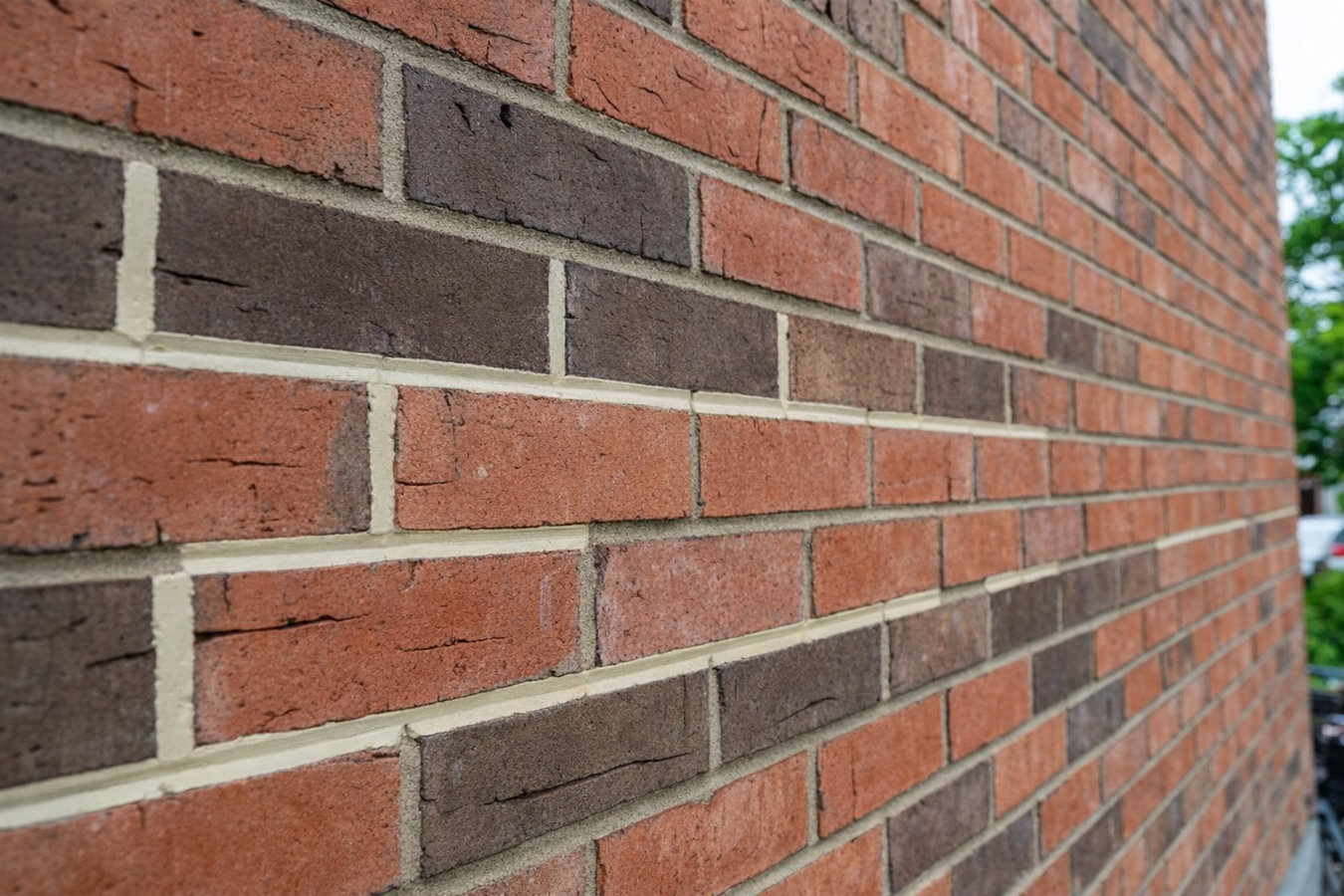
Mortar joints on Willows chimneys and brick structures deteriorate faster than homeowners expect because 100-degree summers draw moisture out of the binder all season long, leaving joints dry and brittle before the first winter rain arrives. Our tuckpointing work in Willows removes the deteriorated mortar to full depth, applies a mix matched to the original material, and tools the joints to shed water - the correct repair for Glenn County conditions rather than a surface skim coat that fails again in one wet season.
The clay soil beneath Willows properties has been expanding and contracting for decades, and on homes built before 1970 - which is most of the housing stock here - the cumulative stress shows up as cracked stem walls, displaced block sections, and mortar that has turned to powder. Addressing the soil drainage at the same time as the structural masonry is what separates a repair that lasts from one that returns within a few years.
Driveways on Willows properties crack because the clay valley floor never fully stabilizes between wet winters and long dry summers. Most in-town lots have original concrete poured 40 or more years ago, and surface patching addresses only the appearance - not the moving soil beneath the slab that will open the same cracks again within a season or two.
Larger lots on the edges of Willows - properties closer to agricultural land with grade changes or drainage challenges - need retaining walls designed for Sacramento Valley clay. Without a gravel drainage layer and a drain pipe at the base, clay holds rainwater directly against the wall face all winter and builds hydrostatic pressure that eventually causes failure regardless of how well the wall was built.
Older homes near downtown Willows have brick chimneys and accent masonry that have been through 50 or more freeze-thaw and heat cycles. Spalling brick faces and crumbling mortar on these structures are not cosmetic issues - they are entry points for water that causes accelerating damage with each wet season. Replacing damaged brick units and repointing the surrounding joints stops the damage cycle before it reaches the underlying structure.
The older commercial buildings along downtown Willows and the wood-frame homes on established residential streets both have masonry elements that need careful restoration rather than demolition and replacement. Willows has a stable owner-occupied community where homeowners invest in preserving what they have, and proper masonry restoration protects that investment without changing the character of the structure.
Willows sits in the Sacramento Valley where heavy clay soils underlie most residential properties. Clay soil absorbs the 18 to 20 inches of rain that falls between November and March, swells noticeably, then dries and contracts as the long summer drought takes hold. This seasonal movement is not subtle on the masonry side - it stresses concrete slabs, foundation walls, retaining structures, and anything else anchored in or on the ground. Homes built before 1970, which are common throughout Willows, were not designed with current knowledge about vapor barriers, drainage details, or the mortar formulations that hold up best against clay soil movement over the long term. After 50 or more years of this cycle, the cumulative effect is visible in cracked driveways, displaced foundation blocks, and mortar that has lost its bond. A masonry contractor who does not factor in the soil conditions when planning a repair is likely to produce a fix that fails on the same schedule as the original.
The summer heat in Willows adds a separate layer of stress that accelerates mortar deterioration well beyond what cooler climates experience. Temperatures regularly exceed 100 degrees Fahrenheit from June through September, which draws moisture out of mortar joints aggressively and leaves the binder dry and brittle. When those open joints encounter winter rain and the occasional frost that Willows does get between December and February, the damage compounds quickly. Tule fog - the thick ground fog common in the Sacramento Valley through winter - keeps surfaces damp for extended periods as well, which accelerates moisture infiltration in any mortar joint that has already started to open. These seasonal conditions together explain why masonry on Willows homes tends to need attention at a pace that surprises homeowners who are used to comparisons with cooler California regions.
Our crew works throughout Willows regularly, and we understand the local conditions that affect masonry work here. Structural masonry jobs in Willows go through the Glenn County Planning and Public Works Department for properties in the unincorporated areas, and through the City of Willows Community Development Department for in-town addresses. Knowing which office handles a given property eliminates the back-and-forth that can delay a project start by days or weeks.
The character of the housing stock shifts noticeably as you move around Willows. The neighborhoods within a few blocks of downtown have older homes dating to the 1940s and 1950s with original wood siding, single-pane windows, and masonry chimneys that have been through seven or eight decades of the valley heat-and-fog cycle. Farther out toward the edges of town - and especially on the larger rural lots that transition into Glenn County agricultural land - properties have outbuildings, wide concrete aprons, and perimeter structures that need a different scope of work than a standard in-town repair call. The Sacramento National Wildlife Refuge sits just south of Willows, and properties in that direction can have higher moisture levels from adjacent wetlands that affect how we approach crawl space and foundation work.
Interstate 5 runs just west of Willows, which makes the logistics of getting materials and a full crew on site straightforward from Chico. We also serve homeowners in Red Bluff, CA to the north and Corning, CA to the south - towns along the same I-5 corridor that face similar valley clay soil and heat conditions as Willows.
Call us or submit the online form and we will reply within one business day. We ask a few questions about the problem you are seeing so we can arrive with the right tools for a Willows-specific assessment - not a generic walkthrough.
We come to the property, review the masonry condition in person, and give you a written estimate before any work begins - no verbal quotes that change once work starts. This is also where we talk through whether the project needs a permit from the City of Willows or Glenn County, and we handle that application as part of the job.
We schedule mortar work around the summer heat - peak afternoon temperatures in Willows are high enough to affect mortar curing if we are not deliberate about timing. Most repair projects do not require the homeowner to be present throughout, though we coordinate access and any specific preferences before the crew arrives.
When the work is done we walk through the completed project with you, explain any curing timelines for new mortar or concrete, and leave the site clean. We can advise on what to watch for in the first wet season after a foundation or flatwork repair so you know what normal settling looks like versus something that needs attention.
We serve homeowners throughout Willows and Glenn County. Written estimates before work starts. Reply within one business day.
(530) 399-1739Willows is the county seat of Glenn County with a population of around 6,000 people. It sits on the Sacramento Valley floor roughly 20 miles west of Chico along Interstate 5, and the local economy runs on rice, almonds, and cattle - Glenn County is one of California's top rice-producing counties. The residential neighborhoods close to downtown have an established, unhurried character, with single-family homes on modest lots lining quiet streets. A significant share of that housing stock was built in the 1940s and 1950s, and many homes have been in the same family for decades. The Glenn County Courthouse anchors the historic downtown core and has served as the seat of county government for well over a century, making it one of the most recognized landmarks in town.
On the edges of Willows the lots get larger quickly, transitioning into rural parcels with barns, outbuildings, and agricultural land that connects to the broader Glenn County farming landscape. The Sacramento National Wildlife Refuge sits just south of town and draws birdwatchers from across Northern California every fall and winter during migration season. Homeowners all across Willows - from the in-town neighborhoods near the courthouse to properties out toward the refuge - share the same clay-soil and heat challenges that make ongoing masonry maintenance a practical necessity here. We serve homeowners throughout the area and also work in nearby Orland, CA, where the Glenn County terrain and soil conditions are similar.
Call now or submit the form and we will reply within one business day with a written estimate for your Willows property.