Loading...
Serving Chico, CA and surrounding areas. (530) 399-1739
Chico Concrete & Masonry is a masonry contractor serving Corning, CA with brick wall installation, foundation repair, and concrete flatwork - built for Tehama County homes where valley clay soils, temperatures that push past 100 degrees, and decades-old housing stock create the kind of masonry wear that does not fix itself. We reply within one business day and provide a written estimate before work begins.
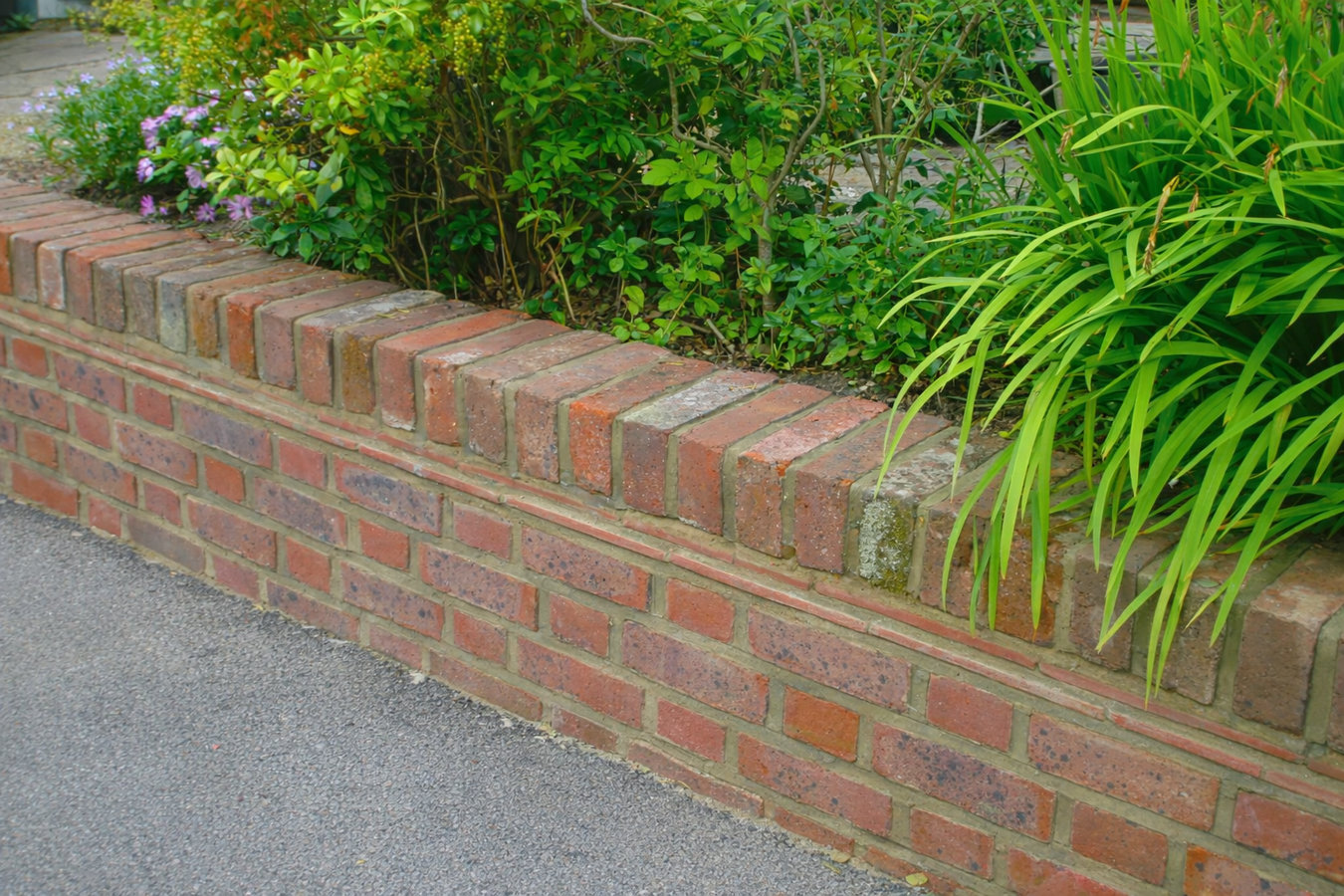
Corning homeowners use brick walls for property boundaries, garden enclosures, and decorative features that need to hold up against the same conditions that wear out wood and stucco - heat above 100 degrees, winter frost, and clay soil that moves with every season. Our brick wall installation work in Corning uses footings and mortar mix specifications suited to valley soils and temperature extremes, so the wall does not develop cracks or lean within the first few wet seasons.
Most homes in Corning were built between the 1940s and 1980s, and their foundations have spent decades dealing with clay soil that swells in winter and shrinks in summer. The cumulative result on older stem wall and block foundations is cracking, displacement, and mortar deterioration that allows moisture into the crawl space. Addressing the drainage and soil conditions at the same time as the structural repair is what separates a lasting fix from a patch that fails again in a few years.
Driveways and walkways in Corning crack for a predictable reason: the clay soil beneath them never fully stabilizes between wet winters and dry summers. Ranch-style homes on modest lots - which describes most of Corning's residential streets - tend to have concrete driveways that are 40 to 60 years old and well past the point where patching addresses anything more than the surface appearance.
Brick chimneys and accent masonry on Corning homes deteriorate faster in this climate than homeowners typically expect. Summer temperatures that sometimes reach 110 degrees dry mortar joints aggressively, and once the joints open up, winter rain and winter frost work into the gaps and accelerate the damage. Repointing the joints before they crack further is the most cost-effective way to extend the life of brick masonry in Corning.
Properties on the edges of Corning - especially those closer to agricultural land with larger lots and grade changes - need retaining walls that are built with Sacramento Valley clay in mind. Clay holds water against the wall face after every rain event, and without a gravel drainage layer and drain pipe at the base, even a well-built wall develops hydrostatic pressure that eventually causes failure.
Chimneys on Corning homes get hit from both sides - the firebox dries the mortar from inside during use, and summer heat that can exceed 100 degrees dries it from the outside. Winter rain then finds every open joint and crack. A chimney in this condition is both a structural problem and a potential fire risk, and the repair is more straightforward - and less expensive - the sooner it is addressed.
Corning sits in the Sacramento Valley where the climate and soil create a predictable combination of masonry problems. The clay soil beneath most Corning properties absorbs winter rain and expands, then dries out almost completely during the long summer drought. That seasonal movement is not subtle - it puts measurable stress on any concrete or masonry structure that sits on or in the ground. Foundations, driveways, walkways, and retaining walls are all affected. The homes most commonly seen on Corning's residential streets - single-story ranch houses built in the 1950s through the 1970s - have been living with this movement for decades, and the cumulative effect shows in cracked slabs, failing mortar joints, and foundations that no longer sit perfectly level. A contractor who does not account for the soil conditions when making a repair is setting up the same failure in a shorter timeframe.
The summer heat in Corning is also more severe than much of Northern California. Temperatures regularly exceed 100 degrees Fahrenheit and sometimes push past 110, which is hot enough to accelerate the drying and shrinkage of mortar in ways that more temperate climates do not experience. Brick and block masonry in Corning ages faster at the mortar joints than identical construction in cooler areas. When those joints open up, winter rain has a direct path into the masonry, and frost on cold nights - which happens reliably in Corning from late November through February - then expands that trapped moisture and widens every crack. The combination of extreme summer drying and winter freeze-thaw cycling is what makes masonry maintenance in Corning a recurring need rather than a one-time fix, and it is why homeowners who address problems early spend less over time than those who wait until the damage is structural.
Our crew works throughout Corning regularly, and we understand the local conditions that affect masonry work here. The properties we most often work on are single-story ranch-style homes with stucco or wood siding exteriors, mostly on in-town lots along the residential streets east of Interstate 5. A smaller share of Corning properties sit on larger parcels toward the agricultural edges of the city, where lot conditions and soil profiles can differ from the flat in-town standard.
Permits for structural masonry in Corning go through the City of Corning. For properties in unincorporated Tehama County outside the city limits, permits come through the county. Corning is right on Interstate 5 about 45 miles south of Red Bluff and roughly 30 miles north of Orland, so our crew is already in the corridor regularly. Woodson Bridge State Recreation Area along the Sacramento River just outside town is a landmark most Corning residents know well.
We also serve Willows to the south and Red Bluff to the north, both of which share Corning's valley clay and climate conditions. If you have neighbors in either direction who need masonry work, we are already running routes through that stretch of the valley.
Call us directly or use the contact form and we will respond within one business day. Corning is within our regular service area, so scheduling a visit is straightforward - no extra travel fees for coming out here.
We visit your property, assess the full scope - including any soil drainage factors that affect the repair - and give you a written estimate before any commitment. We explain what the work involves and why, so you know exactly what you are paying for.
We arrive on the agreed date and complete the project within the timeframe in the estimate. Most residential masonry jobs in Corning finish in one to five days. You do not need to be present during the work unless we have agreed on specific access requirements in advance.
When the work is complete, we clean up the site and walk you through what was done. If the project required a permit, we coordinate the final inspection so you have a closed permit on record - which matters when it comes time to sell or refinance.
We serve Corning and Tehama County with written estimates and no surprises. Call or submit the form and we will respond within one business day.
(530) 399-1739Corning is a city of about 7,600 people in Tehama County, situated along Interstate 5 in the northern Sacramento Valley between Orland and Red Bluff. It has been called the Olive City for generations because the olive orchards surrounding the area produce a large share of California's olive crop - The Olive Pit, a well-known roadside market on I-5, has been a landmark here for decades and is one of the most recognized stops on the drive between Sacramento and Redding. Away from the freeway, Corning is a quiet, working-class community with residential streets dominated by single-story ranch homes on modest in-town lots. Most of the housing stock dates from the 1940s through the 1980s, and a significant share of homes are owner-occupied by long-term residents. You can read more about the city on Wikipedia.
On the edges of the city toward the Sacramento River, Woodson Bridge State Recreation Area is the closest outdoor destination for local families - a state park with camping and river access that most Corning residents know well. Properties closer to the agricultural land on the outskirts can have larger parcels with outbuildings and more varied lot conditions than the standard in-town ranch house. The nearby communities we also serve include Willows in Glenn County to the south and Red Bluff in Tehama County to the north - both facing the same valley clay and summer heat conditions as Corning.
From brick wall installation to foundation repair, we serve Corning and Tehama County with written estimates and no hidden costs. Get in touch before the summer heat makes the job harder.