Loading...
Serving Chico, CA and surrounding areas. (530) 399-1739
Chico Concrete & Masonry is a masonry contractor serving Orland, CA with stone masonry, foundation repair, and concrete flatwork - built for Glenn County homes where heavy clay soil, 100-degree summers, and an aging housing stock keep creating the same problems year after year. We reply within one business day and provide a written estimate before any work begins.
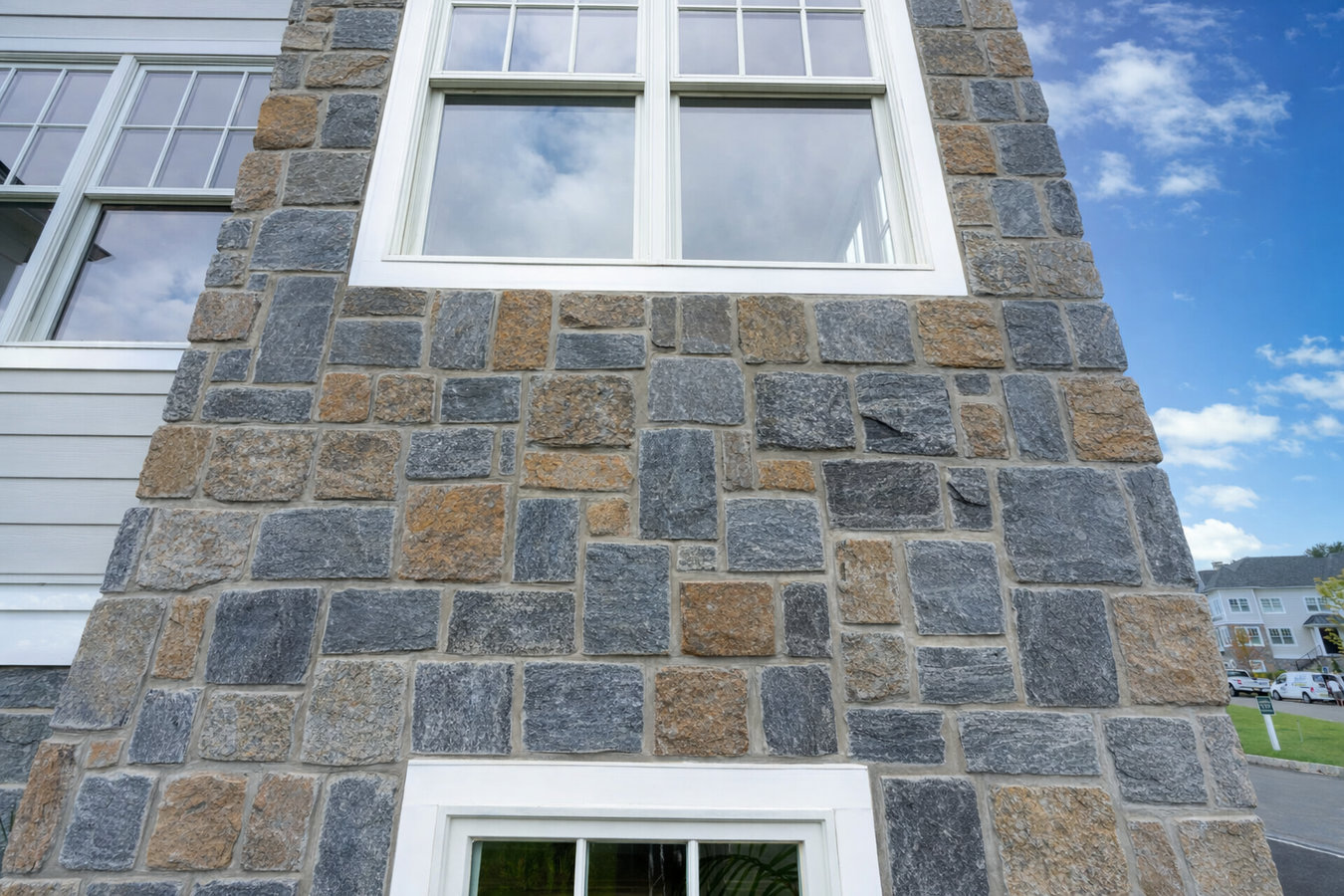
Orland homeowners use stone masonry to add durable character to properties that have to hold up against Sacramento Valley heat and winter moisture - garden walls, raised planters, retaining structures, and exterior accents that natural stone handles better than wood or stucco over the long term. Our stone masonry work in Orland is laid with the same care whether it is a small patio border or a full retaining structure along a sloped lot edge.
A large share of Orland homes were built between the 1950s and 1980s, when foundation construction methods varied widely and waterproofing was rarely a priority. Clay soil that expands and contracts with every season puts lateral pressure on foundation walls and footings over decades - the results show up as stair-step cracks, bowing walls, and crawl spaces that stay damp long after the rains stop.
Driveways and walkways on Orland lots take a beating from the same clay soil movement that affects foundations - wet winters expand the soil, dry summers shrink it, and the concrete above develops cracks and uneven surfaces that worsen with each cycle. Many Orland properties have flatwork that has been patched multiple times and is now past the point where another patch makes economic sense.
Orland lots with any grade change need retaining walls that are built with drainage in mind - the clay soil here is one of the most problematic materials for retaining walls because it holds water and exerts hydrostatic pressure against the wall face with every wet season. Walls built without a gravel drainage layer and drainage pipe at the base fail predictably within a few years in this soil type.
Older Orland homes with brick chimneys, porch columns, or accent walls often have mortar joints that have dried out and crumbled after decades of 100-degree summers pulling moisture from the masonry surface. Once the mortar joints open up, winter rain gets behind the brick face and the freeze-thaw cycle on cold nights accelerates the damage significantly.
Chimneys on Orland homes are exposed to conditions that wear masonry faster than most homeowners expect - radiant heat from the firebox drying the mortar from inside, Sacramento Valley summer heat doing the same from outside, and winter rain working into any cracks that have opened up. A chimney with crumbling mortar joints or a cracked flue liner is a fire risk as much as a structural one.
Orland sits on the Sacramento Valley floor in Glenn County, and the soil beneath most properties here is heavy clay. That clay swells every wet winter as it absorbs rainfall and then shrinks dramatically when the summer heat pulls the moisture back out. For concrete flatwork and masonry structures, this seasonal movement is relentless - it pushes slabs upward in winter, pulls them downward in summer, and eventually causes cracking and uneven settling that cannot be fixed with a surface patch alone. Homes built in the 1950s through the 1980s - which describes most of Orland's housing stock - have been through four decades or more of this cycle, and many are showing the cumulative results. Getting masonry right here means starting with the soil conditions, not just the visible damage on the surface.
The summer climate adds a second layer of wear. Orland regularly sees temperatures above 100 degrees Fahrenheit from June through September, and that heat dries out mortar joints in brick and block masonry faster than in cooler climates. Once the mortar dries and crumbles, the structure loses its weatherproof seal and the winter rains have a direct path into the masonry. Frost on cold winter nights - which happens reliably in Orland from December through February - then expands any moisture that has worked its way into those open joints, widening cracks and pushing bricks or blocks out of alignment. This alternating pattern of heat damage and frost damage is the primary driver of masonry deterioration on Orland properties, and it requires a contractor who has seen it play out here rather than one applying a generic repair approach.
Our crew works throughout Orland regularly, and we understand the local conditions that affect masonry work here. The building stock we most often encounter is single-family homes on flat in-town lots, most built in the postwar era with wood-frame construction and either stucco or wood siding exteriors. Foundation types vary - some homes have stem wall foundations with crawl spaces, others are slab-on-grade. Both types show the same clay soil pressure problems, just in different places.
Orland is the county seat of Glenn County and the main service hub for the region. Residents move around town on Newville Road and Walker Street for daily errands, and Interstate 5 puts Chico about 20 minutes east. Permits for structural masonry work go through the City of Orland - a straightforward process for a town of this size. The area around Black Butte Lake to the west puts some properties on larger rural lots with slightly different soil profiles than the flat in-town parcels.
We also serve Corning just south of Orland along I-5, as well as Willows to the north - so if you have property on either side of Orland, we are already working in your area.
Call us or submit the contact form and we will get back to you within one business day. Orland is a straightforward drive for our crew, so scheduling an assessment visit is not a problem.
We visit your property, look at the full scope of the problem - including soil conditions and drainage where relevant - and provide a written estimate before any work begins. No pressure to commit on the day of the visit.
We arrive when we say we will and complete the project within the timeframe in your estimate. Most Orland residential masonry jobs finish in one to five days. You do not need to be home during the work unless there are access requirements we discuss in advance.
When the work is done, we clean up the site and walk you through what was completed. If the project included a permit, we handle the final inspection coordination so you have a closed permit on record.
We serve Orland and all of Glenn County. Call or submit the form and we will respond within one business day with a written estimate.
(530) 399-1739Orland is the county seat of Glenn County and home to about 7,800 people in the northern Sacramento Valley, roughly 20 miles west of Chico on Interstate 5. It is an agricultural community - almonds, olives, and rice dominate the surrounding farmland, and the annual Olive Festival draws residents from across the region to celebrate what the area is known for. Most of the residential streets are quiet and modest, with single-family homes on flat in-town lots that have been owner-occupied for decades. The housing stock is almost entirely detached single-family - very few condos or townhomes - and the majority of homes were built between the 1950s and the 1980s. Orland Union High School is a central institution in town, and local life orbits around agriculture, the county offices, and small businesses along Walker Street and Highway 32. You can read more about the community on Wikipedia.
Glenn County sits between Tehama County to the north and Colusa County to the south, with the Coast Range to the west and the Sacramento Valley floor stretching east. Black Butte Lake, operated by the U.S. Army Corps of Engineers about 10 miles west of town, is the main outdoor recreation spot for Glenn County families. The surrounding communities we also serve include Corning in Tehama County to the north and Willows also in Glenn County - both within easy reach for our crew and facing many of the same clay soil and climate conditions as Orland.
From stone masonry to foundation repair, we serve Orland and Glenn County with written estimates and no surprises. Reach out now before summer heat makes the job harder.